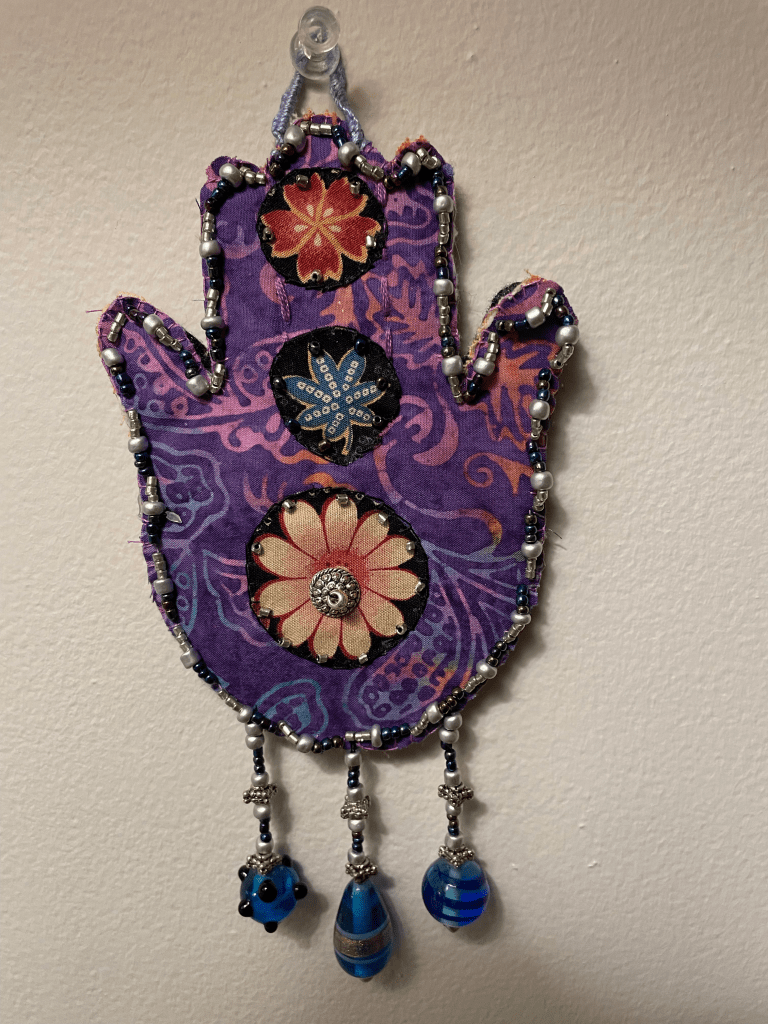
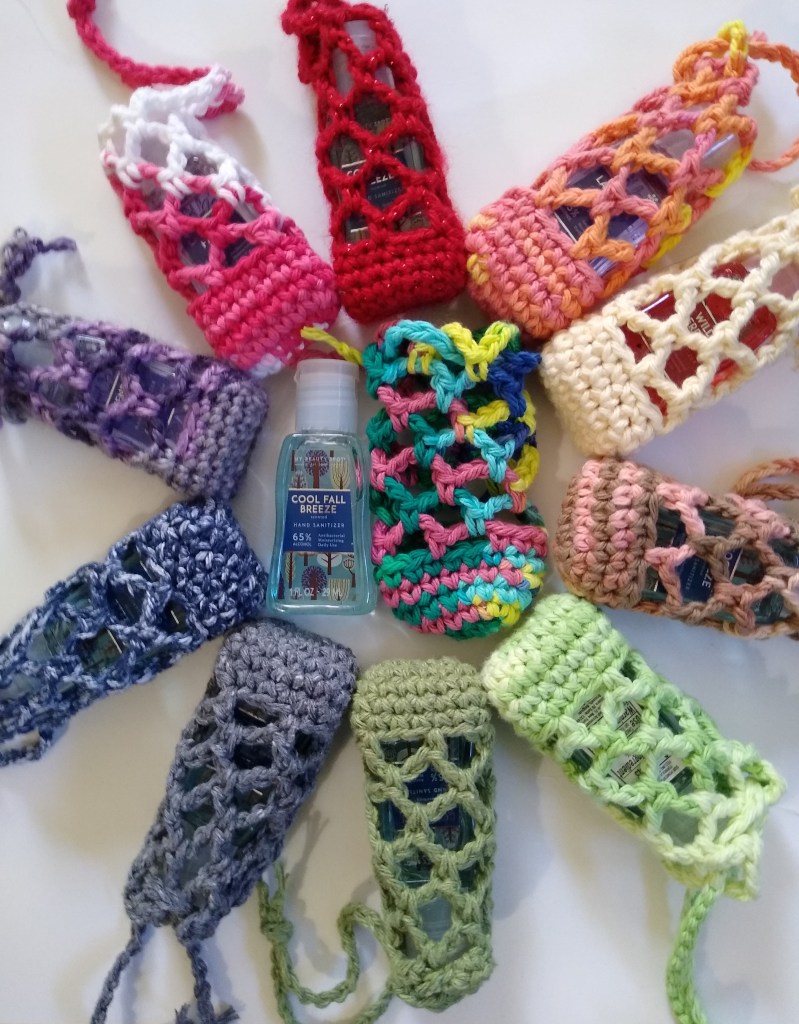
Saturday, November 13
10:00 to 5:00
52 Dusinberre Rd., Gardiner, NY
(rain date: Sunday, November 14)


*

*
My birth certificate says:
She wished to be born a horse.
*
My mother was afraid to let me ride.
My father told me horses were stupid animals.
*
Outside Pickwick Stables where I wandered
the world thrilled to color TV
Rock and roll shook our hips
Elizabeth was crowned queen.
*
What do you want for Christmas?
A horse.
I never got one.
*
But today, while McConnell obstructs
While California smolders
While Haiti starves
I steal a quarter hour to wander Blue Chip Farm
where chestnut and chocolate standard-breds graze.
*
The yearlings feel frisky
They play chase across pastures green as Ireland
Tail flags flying
Running for the fun of it
*
They catch my breath
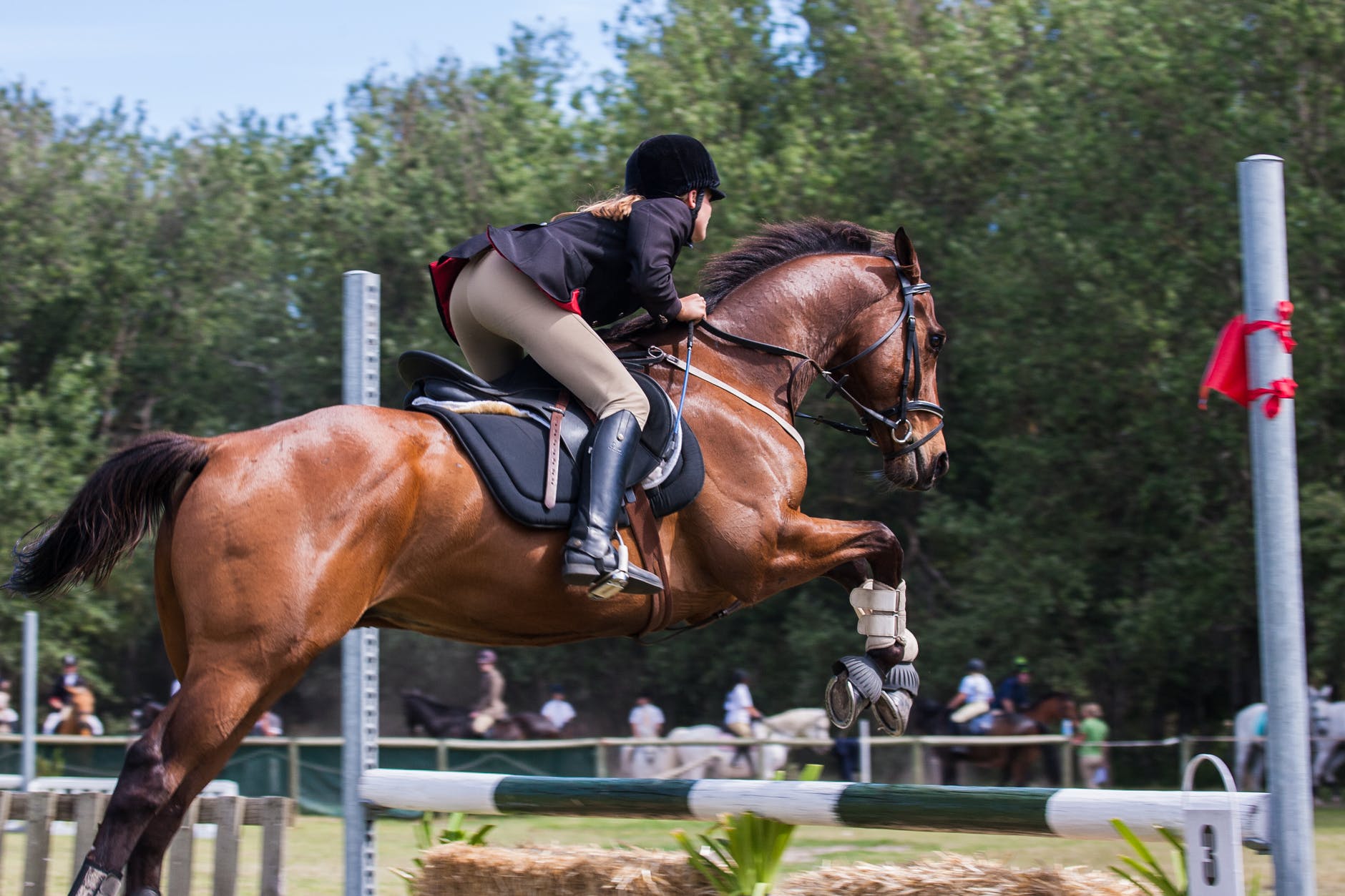
as does the jumper
whose muscled flanks propel him over the gate
“Put him to it again,” the trainer calls.
*
Before I return to vengeful Republicans
Anti-vaxers
Pregnant woman in Texas planning desperation
I will take this jewel of horse time
and thread it on my necklace
of precious days.


*

*
They say, put him in memory care.
You need to, they say, it’s too hard.
You have no freedom. We see your misery.
*
Someone recommends a place.
Her friend’s sister is a resident there.
I make an appointment for a tour.
*
A long driveway, wide trim lawn, a pond.
a ten-gallon fish tank burbles in the lobby.
The walls need paint.
Brown streaks the bathroom door.
A peek into a private room:
all roses and chintz and lace curtains.
*
An Asian man sits alone in the dining room,
behind a transparent plastic screen.
His expression is blank, distant.
Two men slump in the TV room.
Two women play Scrabble.
*
A walnut-faced Italian woman in a wheelchair,
fingers like roots, complains,
I didn’t have my breakfast!
A bit of egg sticks to her pants.
She says, I wish I were dead.
Where do I go now?
*
The walls leak loneliness.
They are all waiting.
Will someone who loves me come?
Does anyone know me now?
Who remembers my story?
Will tomorrow be the same as today?
*


*

*
She wears wings on her head,
white wings that dip when she laughs
Her face is wrinkle soft kindness
Listens to your heart, your breath
Floats out and in with sweet curing syrups
Salves for clogged memories,
A striped cloth to absorb tears
*
She wears a star-sprinkled veil of twilight blue
Her face is sun dusky desert
Eyes downcast, charcoal wells of compassion
Roses bloom and breathe at her bare brown feet
Calls for a shrine, a temple of honor
where the corn goddess dwelt
These ancient stones already sacred
*
She wears a tall dress of African red,
gray hair in knotted strings,
Speaks truth like a fire alarm
wake up, all you colors
wake up and admit who you are
Reveal your hiding minds
Cleanse your secret, smoldering hearts
Learn the new earth song
Sing it together
*

*
It’s appalling. I admit it. I’ve become a ditsy old woman.
On the Jet Blue flight back from Los Angeles to Newark, I grumbled to the cashier about paying $3.60 for twenty ounces of Dasani water. I sat near gate 50 and waited to be called to board.
When I checked my boarding pass, I was surprised that I was in Group A. Maybe I paid extra for this seat, but I didn’t remember doing so.
Group A was called right after the first-class passengers. I had checked my suitcase, so all I had was a bag of expensive food and water, and my backpack. After finding my seat, 12 D, I unhooked the neck pillow from my pack and hung it around my neck. I had just settled the rest of my belongings when a young woman stopped beside me and said, “Um, sorry, I think you’re in my seat.”
“Oh, let me check,” I flapped around until I found my boarding pass that I’d stowed in the kangaroo pocket of my sweatshirt. It said 8 D, not 12 D. Maybe 12 D was my seat number on the way to L.A.?
“Sorry, sorry,” I intoned, retrieving my stuff.
My new seat was four rows to the front. I bumped and jostled all the passengers who were going in the right direction. “Excuse me, sorry, sorry, excuse me.”
The aisle seat 8 D was next to a youngish woman. I repeated the motions of depositing all my stuff and looked around for the neck pillow. Oh, no! I must have left it at 12 D. I stood up and searched the rows for my former spot. A flight attendant was there, assisting someone. I waved my arms to get her attention. Waved and waved. Jumped up and down for emphasis. Finally, I caught her eye. She held up a finger. I should wait.
I did, sitting down once again. There was the pillow, wrapped above my shoulders. Minutes later, the flight attendant, a slim African American woman, leaned over. “May I help you?”
“Uh, no thanks. I found it,” I muttered.
As we taxied for take-off, the same flight attendant was checking the storage compartments a few rows ahead. I stared wide-eyed at her shoes. Black patent leather with five-inch heels.
I nudged the woman next to me. “Look at those heels!” I said. “I’d break my legs if I wore those!” She stretched a smile and pointed to her ear buds.
By this time, I really had to pee. I’d been afraid to wander off to the toilet before boarding, so now I needed to go.
The plane finally took off. I unclipped my seatbelt and moved toward the toilet, a few rows ahead.
The same flight attendant stopped me. “Please go back to your seat,” she said. “We’re still climbing.” Did I hear impatience in her tone, or just weariness?
Meekly returning to my seat, I was a model passenger for the duration of the flight. I think.
*
Lightwood, an e-magazine, published one of my poems in the fall issue. Go to https://lightwoodpress.com/page/2/ to read it and other writers’ work.
*
*

*
Food Memories
Everybody has them—those special foods, meals, flavors that were so significant in childhood that they evoke emotions all the rest of our lives.
One of my strongest flavor memories is connected to my father. He did not buy ice cream for himself. For some reason, he preferred a cardboard brick of vanilla-flavored ice milk. This product was not smooth or creamy enough to interest my five-to-ten-year-old self. But–when he dropped a spoonful of ice milk into his coffee—I was right there to drink it along with him. This sharing of sweet, milky coffee surely accounts for my love of coffee ice cream. It is my go-to flavor. When, in an experimental mood, I diverge from it, I’m almost always wish I hadn’t.
On my birthday, dinner was my choice. In the early years, I chose roast beef, mashed potatoes, and green peas. It was important to mix the peas into the mashed potatoes. When I was older, I requested a meal at the Imperial Gardens, a Japanese restaurant on Sunset Boulevard (in Los Angeles). The appeal was more the aesthetics of Japanese décor and presentation even more than the food itself. I loved sitting on the floor in the tatami rooms. I loved the lacquered bowls of clear broth with tiny cubes of tofu and seaweed floating in them. By the time the entrees arrived, I would have filled up on jasmine tea and soup. My father bristled with annoyance at the waste, and then proceeded to eat my meal, too. I still love Japanese food. The bowls of miso or broth never fail to recall the tatami mats and the atmosphere of Imperial Gardens.
Another special treat for me was lunch with my mother at the Brown Derby restaurant. This was a famous fixture of Hollywood in Los Angeles, where celebrities used to dine. The inside of the Brown Derby was hushed and dark. Tables were laid with heavy silverware and white cloth napkins. My two favorite meals there were a Monte Cristo sandwich or the vegetable plate (yes, I was the odd kid who loved vegetables).
A Monte Cristo sandwich is filled with a combination of sliced turkey, chicken, or ham, and cheese plus mustard or mayonnaise. Once assembled, the sandwich is dipped in an egg batter, browned on both sides, and finally topped with powdered sugar.
The vegetable plate was a stainless silver platter with different sections. Each section held a cooked vegetable: carrots, peas, string beans, corn, spinach. All were probably drenched in butter. Each portion was kid-sized.
My mother never bought Wonder Bread, which was probably a good thing. But my aunt did buy the nutrition-less bread, and I loved it. I’d peel off the soft crust and eat that part first. Then I’d smash the rest into a ball and suck on the doughy glob until it was gone.
*

What food memories from your childhood do you recall? Send me a comment.
*


*

*
I knock on the door of the sacred house.
A saint peeks out.
“Let me in, please.”
“Not until you are rid of your possessions.”
I sell the furniture, even the cradle
and the cobbler’s bench.
I give away the couch and the brocade chairs.
*
I knock on the door of the sacred house.
“Not enough,” says the saint. “Come back later.”
I empty the kitchen, sell the Fiesta ware.
I give away knives, wooden spoons, whisks, and spatulas.
Out go books and journals, my life-long friends and life stories.
Knock, knock!
“Try harder!” Slam.
*
I give all my clothes to the women’s shelter.
I throw lotions, salves, and pills into the dustbin.
Should I keep my toothbrush?
Knock, knock, knock!
“You’re getting there,” she says kindly. “Keep on.”
*
I sit in my underwear, my empty house echoing.
Closets, shelves, walls are bare.
What else remains?
I throw away my sorrow a hundred times,
like emptying a sandbox with a tweezer.
I throw away my anger, but it keeps bouncing back
as if I’m playing wall ball.
I throw away guilt and finally, fear.
Such sticky stuff takes hours of scraping.
*
At last, naked outside and in, I knock again.
“Ah,” she says, reaching out her holy hand, “Yes. Here you are.
Welcome home.”
*
*

(Inspired by “Love” by Lydia Davis)
A woman fell in love with a man who had been dead a number of years. Several hundred years, in fact. She saw his face through the glass. Even though his nose and cheekbones protruded like the features of an Egyptian mummy, even though he was shorter than she—his head having been replaced after he was killed and then canonized–, even though the clothes he wore were frayed and impossibly outdated. Despite all that, she fell in love with his beatific expression.
She came to the church every day of her husband’s conference. While he sat with other business people in the leather and smoke of the room at the hotel, she sat with her love. She sat as close as she could, in the first pew, unless there was a mass. She sat and told her rosary through her fingers and gazed at his sweet face.
His glass case was edged in gold. He wore a gold miter on his head. Even his fingers were encased in little gold caps. She stared at his face so long, with such yearning, that he seemed to breathe. She saw his eyelids ripple as if he were dreaming and would wake up at any moment. When he did awaken, she was sure he would be smiling, smiling at her, of course. And he would push open the lid, gather up his robes, and step out onto the stone floor.
He would hold out his hand to her, a hand miraculously restored to firm, warm flesh (minus the gold finger caps) and he would say her name, “Kathleen,” and then…
This was where it ended. Then what? He was a saint, a performer of miracles, a martyr, and she was the plump wife of the owner of a chain of dollar stores.
Could she throw herself at his booted feet? Could she plead, “Take me with you, wherever you go? Please, please, just let me be with you!”
One day when the church was empty of people, she knelt at the side of his glass case. She leaned her head against the cool glass, clutching her rosary of onyx beads in her hand.
That is where the priest found her. Her husband accompanied the body back to Atlanta. Several weeks passed before the priest noticed that there was a rosary of onyx beads wrapped around the saint’s wrist.
*