What I want to say to my grandchildren

*

Photo by jasmin chew on Pexels.com

*

Your life-being is a garden.

 Your spirit is the gardener.

*

Build a fence around your garden.

Imagine it: curling wrought iron,

split rail, chain link.

Make it unbreakable.

*

Be sure to put in a gate.

*

You choose what to plant:

vegetables that nourish the body?

fruit trees for life’s sweetness?

flowers to pleasure the soul?

*

You decide who can come in.

*

Will you open the gate

to Fear and Doubt?

They may dig up your seeds.

*

Will you let Worry

Into your garden?

She may spoil the flowers

and chew up the leaves.

*

What about Criticism

and Judgement?

Like a hailstorm

they can destroy everything.

*

Others you may invite to stay:

Joy in her bonnet of fireflies

Love with its scarlet ladybugs. Peace,

sleeping under the squash leaves.

*

So, beloveds, remember:

You are the gardener.

You

choose

who

comes

in.
Visit

*

Photo by Nicole Michalou on Pexels.com

*

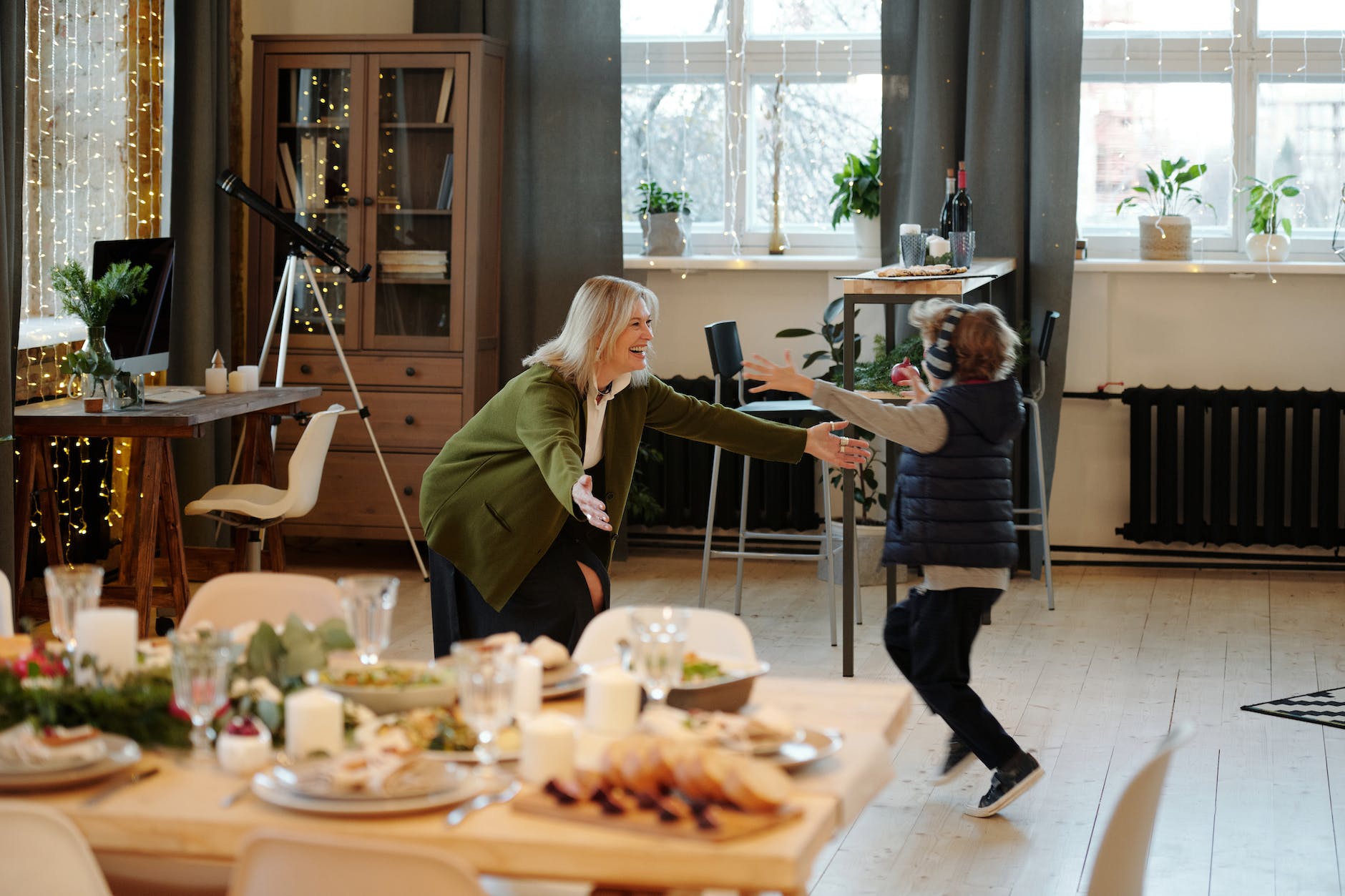
Who’s that coming through the old apple trees,

With her new red shoes and socks to her knees?

Quick, shut the cat away.

He makes her uneasy.

Offer her Cheerios or a stick of cheese.

Says dad, that cereal is sweet.

It’s only a treat at grandma’s house.

*

She builds toilets out of bristle blocks

for the dolls who live in the ding dong house.

We make cards together with hearts and dots.

Bath bubble hills and lilac clouds

Sing a song of soapy suds

Brush her hair, undo the knots.

Story time now at grandma’s house.

My chest sags low

                        Line from: I Don’t Think for a Second That We Won’t Survive This — Abdul Ali

*

Photo by Ketut Subiyanto on Pexels.com

*

how did I do this

fifty years ago?

siblings battling in the back seat

put your shoes on

I can smell your feet

you take the dog out

I already picked up the poop

finish one meal, clean up, start another

how did I manage as a single mother

working full days

rushing home to drive to rehearsals, shows

crashing into bed, dazed, glazed

fevers, stomach flu, stitches, broken nose

*

Summer brings it all again

only I’m the grandma now

slow, deaf, a used-up cow

ask your mother, would she allow?

forgot the car seat, the gluten-free turkey,

the towels, the laundry, the car key

It’s much more fun

than it used to be.

My Father’s Wisdom

selective focus photography of child hand

Photo by Juan Pablo Serrano Arenas on Pexels.com


My father had a few pithy sayings that he liked to repeat. Some of these merely justified his personal preferences, such as, “Fruit juice is for sick people and babies.” But other aphorisms made sense. One of these came to me the other day.

“Address the behavior, not the child.”

My father was a child psychologist. He may not have applied all of his theories to raising me, but this idea, at least, I remember, and still find valid. Not only in relation to children, but to adults as well.

For parents, it’s tough raising children in today’s culture. They have a lot to contend with. So many labels in social media are out there, waiting to stick to a child: bad, fat, stupid, ugly, or smart, talented, etc. We even have a president who throws labels around, calling people “bad” or “nasty.”

Bad behavior or choices, okay, but just “bad people?” We can do better.

To say, “That’s good,” or “You’re a good _______” doesn’t help a child much. It’s more useful to be specific. “I like the way you _______ .” Arranged the pillows on your bed. Cleaned up all the Legos. Helped your friend who fell down. Used the yellow paint in your picture.

We let the child know specifically what was done well.

Adults also respond positively to hearing what they do well.

In my writing group, structured according to the Amherst Writers and Artists method, we give positive feedback to first drafts. We point out what was strong or memorable, what “stays with us.” Writers use that information to improve.

It works the same way with kids.

Fear and Longing

60798422710__BA8A25AE-DEE1-4DB4-9C25-111A89A00362

My granddaughters live three states away. I haven’t seen them since January. The enforced separation is causing tears and heartache—on both sides. For me, though, as the aging adult, the longing is confused and aggravated by fear.

I’m close to seventy years old. What if I die before we can be together again? This strange and virulent disease could be the end of me. Other younger folk are often less anxious. Today we ventured out to a D.IY. store to get some needed house supplies. Although most of the customers had on masks, there was an atmosphere of laxity that I found alarming.

I hurried through the store, flinging air filters and bug spray into our cart. On the checkout line, the man in front of us had no mask. I commented on this and pulled back further. My husband, whose dementia blanks out the crisis daily, made a joke about the fellow being a tough guy.

“It’s not funny!” I shouted. I moved our cart to the self-checkout lane and rushed out of the store.

I don’t know if we’ll attempt another shopping trip. I truly felt unsafe, and also angry that others’ cavalier attitudes force me to take risks.

When I asked my doctor about the advisability of visiting the family, he said, “Sure, you can walk with them outdoors.”

“Oh, no, but they live five hours away,” I said.

“Nope.”

If this social isolation lasts months longer, I may reassess the risks versus the emptiness. For now, though, we’re back in the apartment, too far away.

1lMrcOolQbC9MVmPJKqlrw