What I’m Reading

Life in Yam Hill (Part I), by Tevin Hansen


Did you ever wonder what it would be like to live inside a giant potato?   Tevin Hansen wondered, and he wrote a whole book about it. Polly (Want a Cracker) and her good friend Bic (Lighter) know very little about the Old Earth that existed before the Great Unexpected Tragedy. But Polly’s adult friend, Jack of Hearts, has information about Yam Hill that could endanger all three of their lives.


Author Hansen has created a strange, orange world inside the yam, down to details of how people eat, dress, and dispose of waste. I was drawn in by the weirdness of the concept from the beginning. After the Elders showed up, things got really exciting. I can’t wait to read Part II!
 

Coming to You from Spain: Castillo de Santiago

IMG_4910

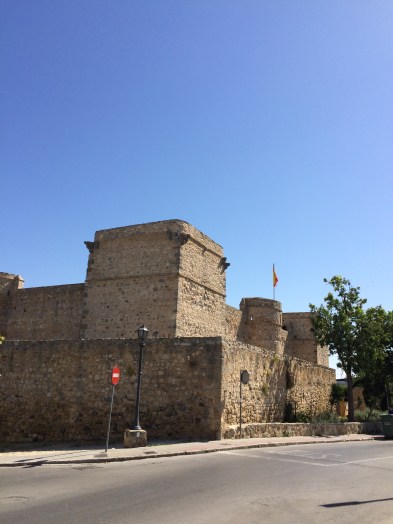
A short walk up from the lower part of Sanlucar de Barrameda stands a real castle right on the street.  Completed in 1477, the Castillo de Santiago was built by Don Enrique Perez de Guzman, the second Duke of Medinasidonia.  Most of the castle has been restored.  You can see “before” and “after” photographs in one of the rooms.

IMG_4913    IMG_4915  IMG_4911    IMG_4922

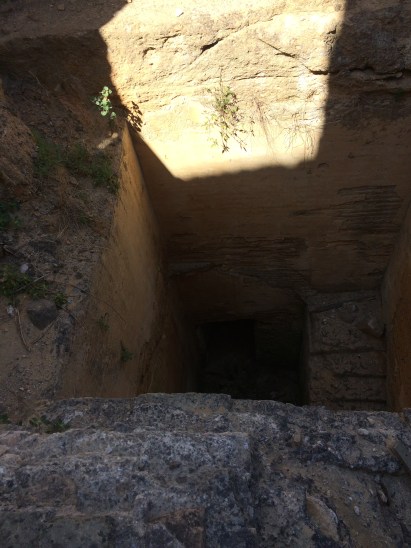
There was an underground passageway between the castle and the palacio of the Guzmans.  I think that is what is in my photograph below.  It certainly looks like a tunnel.

IMG_4914

Being a great fan of mermaids, I enjoyed the Mermaid Gate showing a double-tailed mermaid protecting the coats of arms of the Duke of Medinasidonia and the Duchess Leonor de Mendoza.

fullsizeoutput_1bce

In the winter, a local falconer brings his birds to the castle.  I hold a special place for raptors because of Archer, the gyrfalcon, in my book, Tangled in Magic.

IMG_4920     IMG_4921


Coming to You from Spain: Horse-lovers’ Heaven

fullsizeoutput_1bae


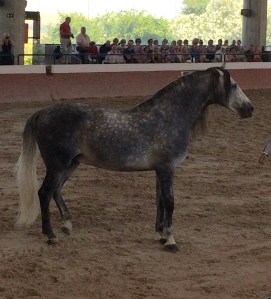
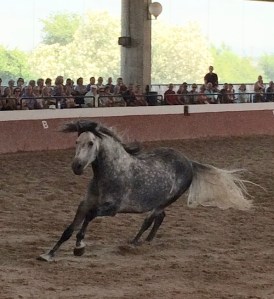
Yeguada de la Cartuja, outside of Jerez, is the main breeding farm for the Andalusian horses.  We took the tour and watched the show as part of my granddaughter’s birthday celebration.  Highly recommended!

For more information:  http://www.yeguadacartuja.org/


fullsizeoutput_1bbc                            fullsizeoutput_1bb4             fullsizeoutput_1ba7                             fullsizeoutput_1bbd  fullsizeoutput_1bb5                        fullsizeoutput_1bb7 fullsizeoutput_1baf   fullsizeoutput_1ba9

Coming to You from Spain: things that delight me

IMG_4847            fullsizeoutput_1b96

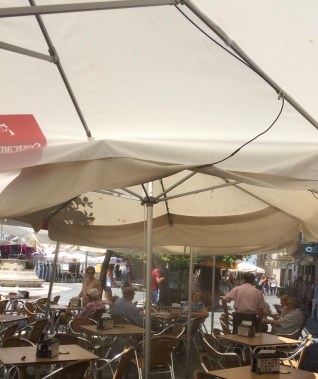
I enjoy the  many common gadgets and conveniences that the Spanish take for granted. (left) The light pole carries a second, lower set of lights so drivers can see when the light changes.  (right) Now that the weather is getting hot, the cafes have misting hoses strung through the umbrellas.

IMG_4850

Houses are surrounded by living walls of ivy, bougainvillea, and grapevines.

IMG_4851

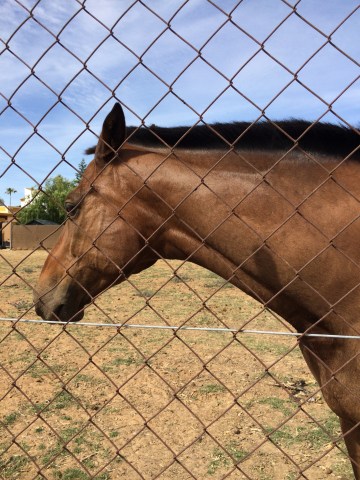
We live across the street from two horses.  They trade locations, but the chickens and the goat stay in this paddock.

fullsizeoutput_1b95          fullsizeoutput_1b93

Windows and doors open two ways.  Is that brilliant, or what??

Note the bars.  Bars on all doors and windows except the front door.

Coming to You from Lebrija, Spain

In another failed effort to gain access to the Parque Nacional de Donana, I misdirected us onto a two-hour plus route to the far entrance of the preserve.  Rather than make the long drive around the park to the entrance at Almonte, we branched off toward Lebrija.  The guidebook announced a promising church, so we got the tower in our sights and started off.

IMG_4841

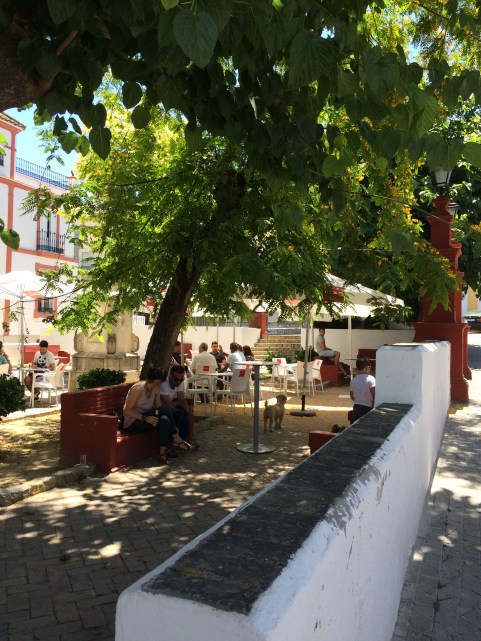
We passed through this pretty plaza not far from the Iglesia de Santa Maria de la Oliva.

IMG_4840

Sighting the tower–it was restored in 1999.

fullsizeoutput_1b88            IMG_4832

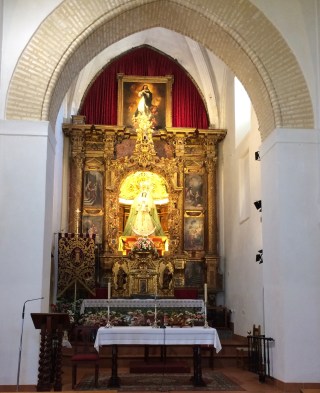
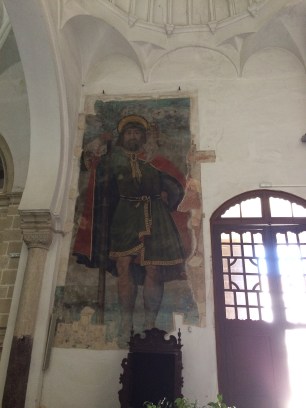
The altar—and a large fresco.

IMG_4831            fullsizeoutput_1b8b

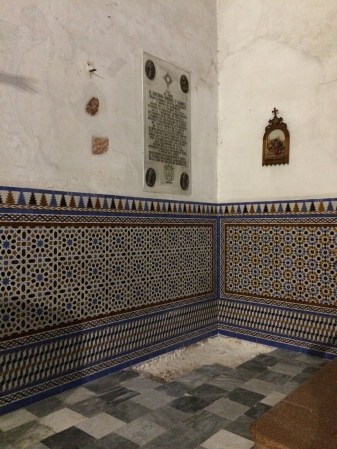
The doorway in the courtyard—-and the Mudejar (Moorish) tiling, surely the oldest part of the church that used to be a mosque.

IMG_4829

More beautiful tile work.

We went on up the hill to the ruins of the medieval castle.

IMG_4839     fullsizeoutput_1b8c

And then to the church on the very top, honoring the patron saint of Lebrija.

IMG_4836

fullsizeoutput_1b86                    IMG_4826

fullsizeoutput_1b8a

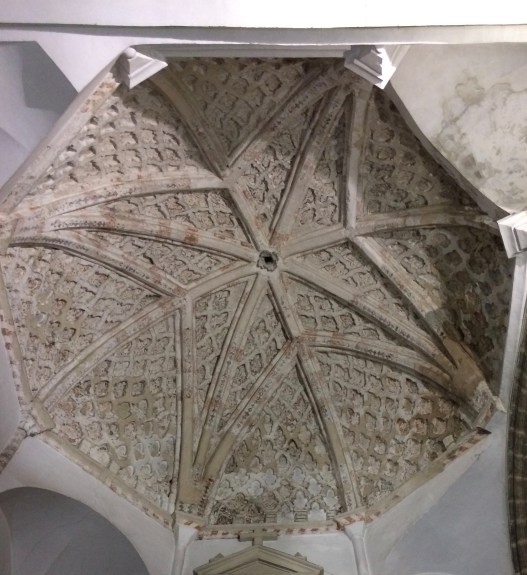
This ceiling vault was my favorite part.  The work must date back to the original Moorish building.

Coming to You from historic Sanlucar de Barrameda, Spain

fullsizeoutput_1b83

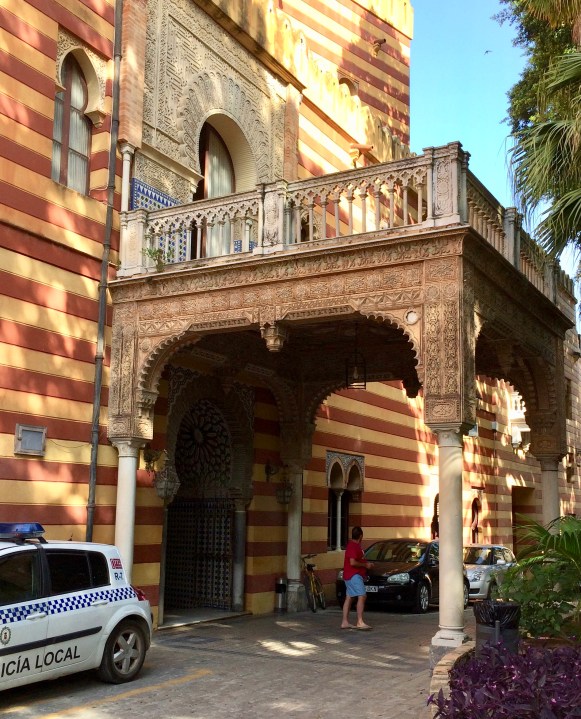
Today new friends took us on a tour of some historic landmarks in Sanlucar.  This is the portico of the Palacio de Orleáns Borbón (XIX Century), the summer residence of the Dukes of Montpensier and the current City Hall (Ayuntamiento).

fullsizeoutput_1b70

The entrance to City Hall–pretty amazing.

IMG_4815

Paintings on fabric decorate the reception area.

IMG_4814

And this is the ceiling….

We toured the gardens, with some really strange plants and trees.

Then on to the Palacio de Medina Sidonia, residence of the Dukes of Medina Sidonia. It contains the archive called of the Red Duchess (Duquesa roja), Isabel Álvarez de Toledo, considered one of the best historical archives in the world.  The Palacio is also a hotel.

IMG_4824

We wandered into a hotel that was almost a museum.  Called the Posada del Palacio, it looks like a fabulous place to stay (below).

IMG_4823

This was the first time we walked around the upper part of town.  The views were wonderful.

IMG_4822


Coming to You from Sanlucar de Barrameda, Spain

IMG_4779

We watched a major traffic drama in the center of town today.  The bus driver was obviously not familiar with the streets.  Too big to make the turn, and too big to go forward, the bus sat there with cars stacking up behind it.  The motor scooters slid past on the sidewalk.  Eventually the police showed up and pushed back the traffic so the bus could reverse.  Highly entertaining, as long as we weren’t in the bus or in a car behind it.

(See the driver waving?)

Coming to You from Medina Sidonia, Spain

Our original destination yesterday was Laguna de Medina, a lagoon that is the stopping off place for migrating birds.  It seemed like a good choice for a Sunday, when all the shops are closed.  The GPS on our fancy rental car couldn’t handle the location, so we went to Medina Sidonia instead.

IMG_4746

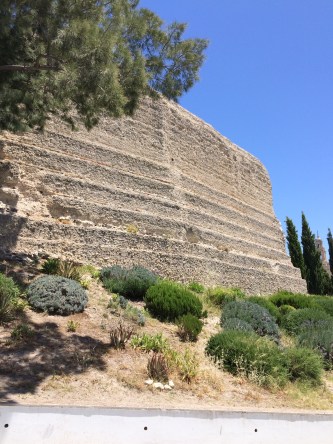
Good choice!  Medina Sidonia is a “pueblo blanco” on a conical hill.  Taken from the Moors by Alfonso X in 1264, Medina Sidonia became the holding of the Dukes of Medina Sidonia, whose job was to defend the territory between their town and the Bay of Cadiz.  The photo above shows part of the medieval wall that remains.

IMG_4747

Here is Pat on one of the narrow streets.

IMG_4748

The approach to the Iglesia de Santa Maria la Coronada.

IMG_4752

The carved retablo of the altar.

IMG_4753

There is Santa Maria la Coronada.

fullsizeoutput_1b1a                              IMG_4758

Two aspects of the town: I’m intrigued by doorways.

After visiting the cathedral, we were hungry.  I asked two women on the street where to find a restaurant that was open.  They pointed ahead and to the right, and followed us inside.

We ate lunch in the small pub with the locals.  The men at the bar were having a loud, animated conversation.

IMG_4754                            IMG_4756

fullsizeoutput_1b17

Here are the two women who helped us find lunch.

Medina Sidonia was a great find.  The weather was gorgeous, too.

Coming to You from Arcos de la Frontera, Spain

fullsizeoutput_1b07

The drive to Arcos de la Frontera is beautiful.  Those yellow patches you see in the background are fields of sunflowers.  As the road ascended to Arcos, the scenery began to look familiar.

IMG_4729

We’d been here before!  Ten years ago?  This is the view from the lower plaza where we parked the car.

IMG_4731

I’m standing in the lobby of the Hotel de la Fonda, where Pat and I stayed.  The management and the decor have changed.

IMG_4733

Walking up the main road to the cathedral at the top, we passed many stores of local products: goat cheese, dulces arabes, honey, and fig cakes.

fullsizeoutput_1b04

We did not go inside this time, but I remember well the glass case holding the mummified and dressed up body of a saint.  He had gold caps on his fingertips.

fullsizeoutput_1b09

We stopped for “desayuno” at this cafe, the Taberna de Jovenes Flamencos.

fullsizeoutput_1b08

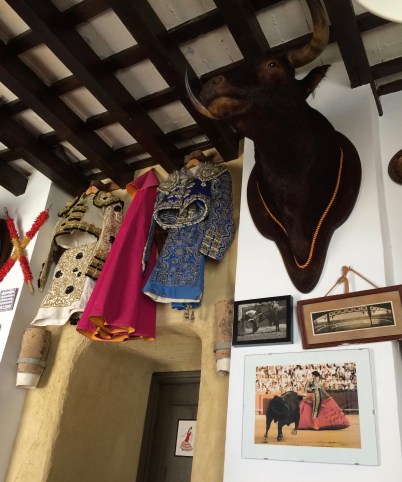
Inside the cafe, the decor was all bullfights.  See the elaborate torero suits on the walls.

IMG_4725

We’d also been to this store of local arts and crafts before.  We went again, admiring the watercolors, and the ceramics.

Leaving the city, I made a wrong turn and got us trapped on a dead-end hill, worse than San Francisco!  Pat took over and turned us around.  A little excitement at the end of a pleasant revisit.

Coming to You from Cadiz, Spain

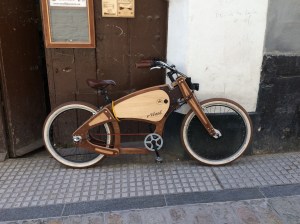
IMG_4707This is a mostly wooden bicycle made in this workshop we passed on one of the narrow streets in the historic part of Cadiz.
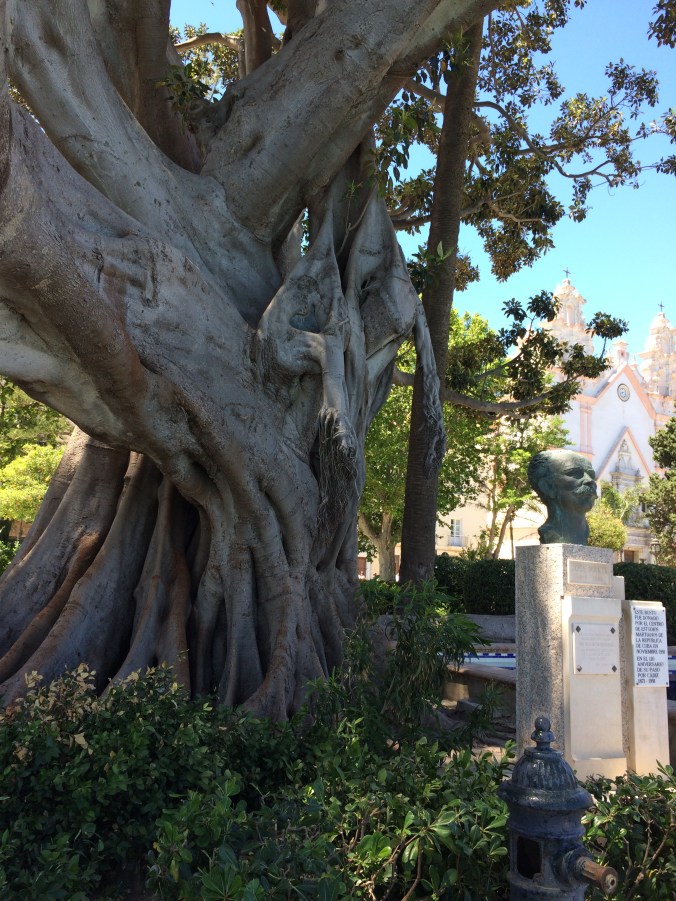
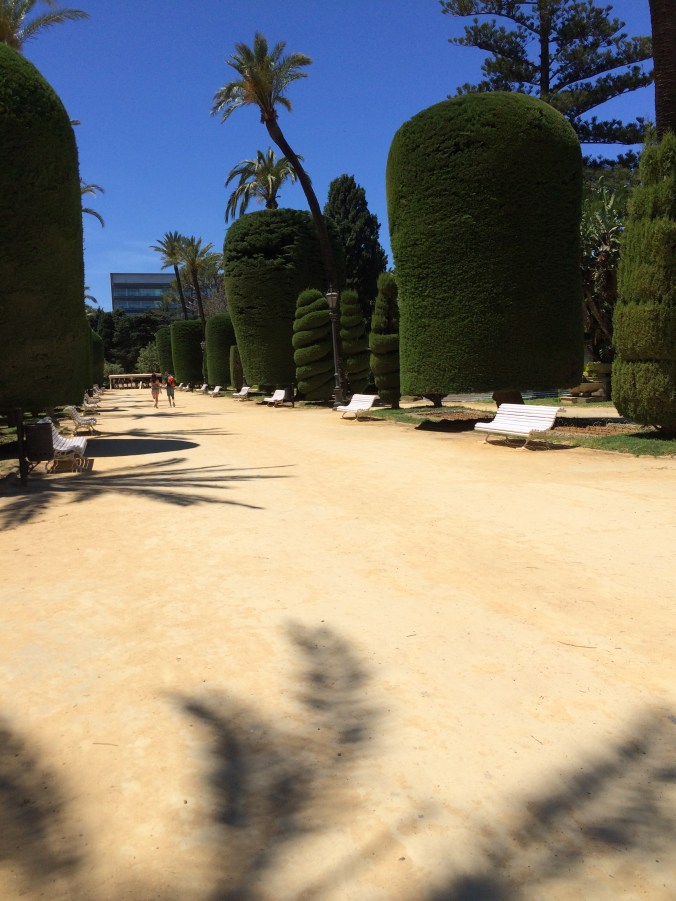
IMG_4712These “dragon” trees are huge, maybe twenty feet around.  The Parque Genovese borders the ocean.
IMG_4713

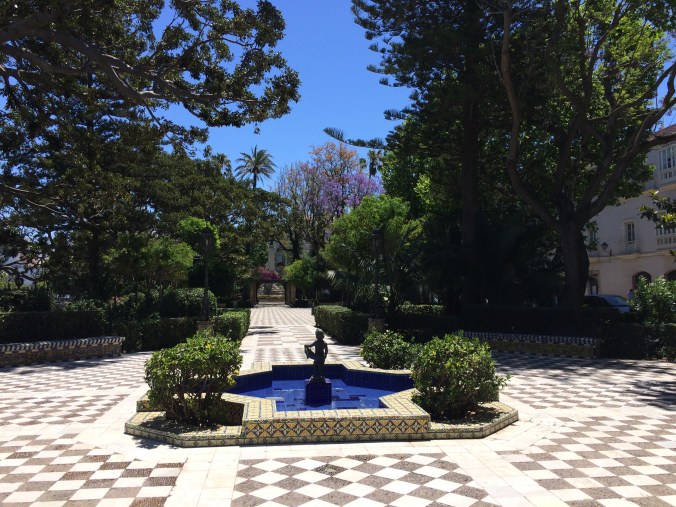
Here is another view of the Parque Genovese, showing the strong Moorish influence.

IMG_4717

The fountains also are Moorish style.

IMG_4718

Cadiz claims to be the oldest city in Europe.  In 1100 BC, the town of Gadir was founded by the Phoenicians.  Since then, Cadiz has been occupied by the Carthaginians, the Romans, and the Moors.  New World wealth made Cadiz a prosperous city.

We enjoyed wandering the streets that opened into large or small plazas.  In one of the big plazas, the city market was in full swing.  On one side were the stalls of vegetables, fruits, fish, and meat.  On the other side were stalls selling all kinds of delicious food.  We chose to have vegetable crepes made by a harried vendor who ran out of ingredients.  I watched as she frantically chopped tomatoes and mushrooms, and kept telling me, “cinco minutos!”  The crepes were really good!